
Mental Health and Wellbeing: Strategies for Resilience During Challenging Times
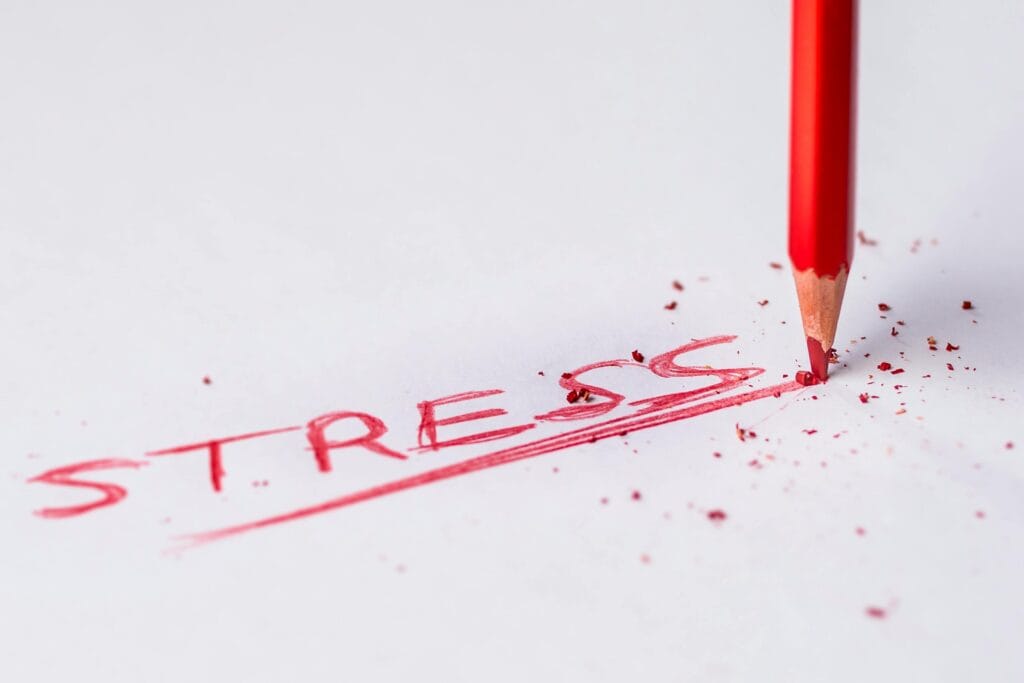
In the journey of an apprenticeship, the pressure to perform can often feel like a balancing act. Between hitting workplace targets, mastering new skills, and preparing for exams or End Point Assessments (EPA), it is easy for your mental health to take a backseat. However, resilience—the ability to navigate and bounce back from challenges—is not a fixed trait; it is a skill that can be developed through intentional self-care and a commitment to your own wellbeing.
Understanding the Pressure Points
For many apprentices, “challenging times” are often synonymous with exam stress and personal pressures.
- Exam Stress: The lead-up to assessments can trigger “fight or flight” responses, leading to anxiety, poor sleep, and difficulty concentrating.
- Personal Pressures: Life doesn’t stop just because you’re studying. Financial concerns, relationship changes, or health issues can compound the stress you feel at work or in the classroom.
Recognising these pressure points is the first step toward managing them. When you feel overwhelmed, it is usually your mind’s way of signaling that your current coping mechanisms need a boost.
The Pillar of Resilience: Self-Care
Self-care is often misunderstood as an occasional luxury, like a spa day or a long walk. In reality, effective self-care is a daily practice of maintaining your mental and physical foundations so that when stress arrives, you have the “fuel” to handle it.
- The 80/20 Rule for Rest: Just as you dedicate 20% of your time to off-the-job training, ensure you dedicate time to “off-the-clock” rest. Your brain requires downtime to process information and recover from the cognitive load of learning.
- Mindful Boundaries: During exam season, it’s tempting to study late into the night. However, a consistent sleep schedule is one of the most powerful resilience tools available. Lack of sleep directly correlates with increased anxiety and decreased problem-solving abilities.
- Active Nutrition and Movement: Your physical health is the engine of your mental health. Small, consistent habits—like staying hydrated and taking a 10-minute walk during your lunch break—can significantly lower cortisol levels.
Practical Strategies for Navigating Tough Periods
When you are in the thick of a challenging period, try these “resilience-in-action” techniques:
- The “Circle of Control”: When feeling overwhelmed, draw a circle. Inside the circle, write everything you can control (your effort, your schedule, your reaction). Outside the circle, write what you cannot (exam questions, company-wide changes, other people’s opinions). Focus your energy exclusively on the inside of the circle.
- Micro-Goals: During high-pressure weeks, stop looking at the “big picture” of the whole apprenticeship. Break your tasks into tiny, manageable wins. Completing one small task triggers a dopamine release that gives you the momentum to tackle the next.
- The “Five-Minute Reset”: If panic sets in during study or work, use the 5-4-3-2-1 grounding technique: Identify 5 things you can see, 4 you can touch, 3 you can hear, 2 you can smell, and 1 you can taste. This pulls your brain out of a “spiral” and back into the present moment.
The Power of Reaching Out
Resilience does not mean “going it alone.” In fact, the most resilient people are those who know when to ask for help. Whether it is speaking to your Prostart Learning & Development Coach about workload, or talking to a friend about personal stress, vocalising your challenges reduces their power over you.
At Prostart, we are committed to your holistic success. If you are struggling with exam stress or personal pressures, remember that our Safeguarding and Wellbeing teams are here to support you. You are more than your grades or your productivity—your wellbeing is the most valuable asset you have.
Resources for Support:
YoungMinds (for those under 25): Text YM to 85258 for free, 24/7 crisis support.
Prostart Wellbeing Team: safeguarding@prostartuk.co.uk
Mind: www.mind.org.uk