
Recognizing Online Grooming, Misinformation, and AI-Generated Extremism

The modern workplace relies heavily on digital communication, remote tools, and online networking. For apprentices navigating the early stages of their careers, digital fluency is essential. However, staying safe online extends far beyond password security and avoid phishing scams.
The digital landscape has evolved into a complex ecosystem where online grooming, deepfakes, algorithmic echo chambers, and AI-generated misinformation present genuine risks to vulnerable internet users. Recent high-profile inquests, such as the case of 16-year-old Rhianan Rudd from Derbyshire, have highlighted how online exploitation can quietly target young people through digital channels.
Understanding how online radicalization occurs, recognizing subtle warning signs, and knowing where to turn for support are critical aspects of safeguarding in the modern age.
How Digital Extremism Operates Today
Radicalization rarely begins with explicit political manifestos. Modern extremist networks use sophisticated methods to normalize harmful ideas, build trust, and gradually isolate individuals from support networks.
1. Online Gaming & Private Messaging Communities
Extremist actors frequently target young users through interactive spaces like gaming lobbies, custom modding platforms, and unmoderated Discord channels.
- The Tactic: Initial contact often begins casually through shared gameplay, humor, or edge-themed memes. Over time, recruiters introduce “us versus them” narratives, framing real-world grievances (such as job stress, personal hardship, or social isolation) as the fault of specific social, ethnic, or political groups.
- The Shift: Once trust is established, conversations migrate from open forums to private, end-to-end encrypted messaging apps where radical content is shared without moderation.
2. Social Media Algorithms & “Rabbit Holes”
Short-form video platforms and social media feeds are designed to maximize engagement.
- The Tactic: Algorithms serve content based on what holds attention. Watching a single video on a controversial topic can prompt platforms to serve increasingly extreme related videos.
- The Shift: This creates an echo chamber where alternative perspectives are filtered out, making fringe, polarized views appear normal and widely accepted.
3. AI-Generated Misinformation & Deepfakes
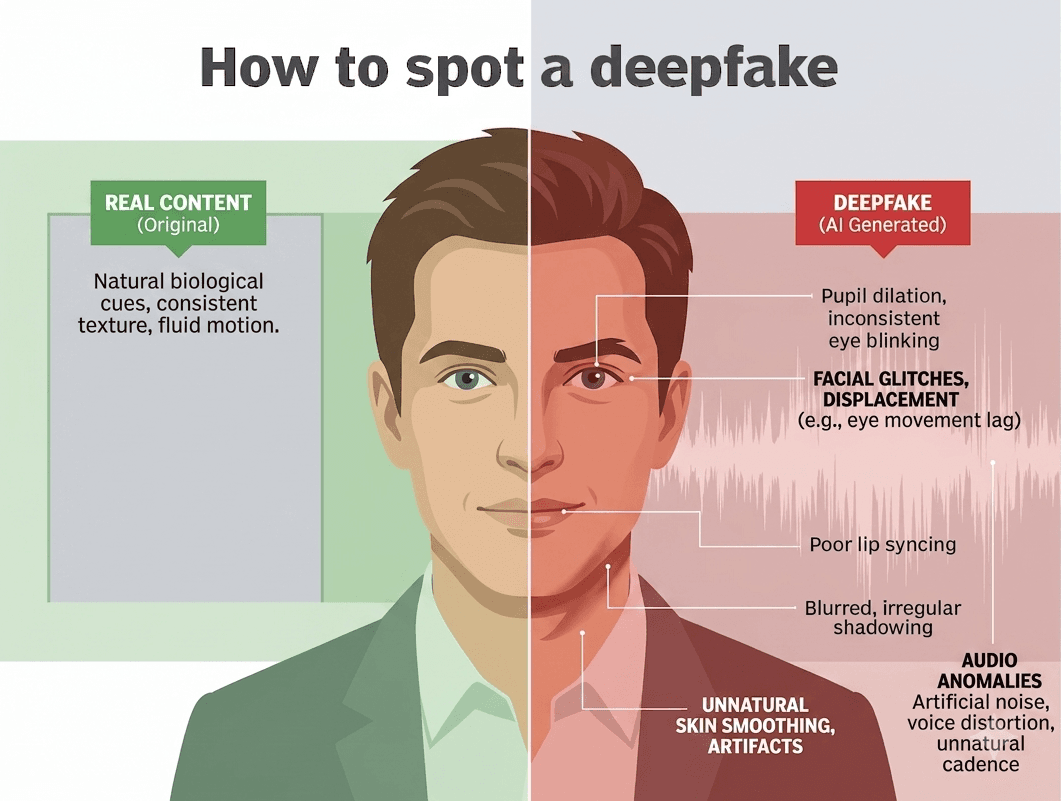
Generative AI tools have made creating convincing fake news articles, synthetic voice recordings, and deepfake videos fast and inexpensive.
- The Tactic: Malicious actors use AI-generated content to fabricate outrage, falsify news events, or manipulate political discourse during local or national events.
- The Shift: Out-of-context audio or synthetic images trigger fast emotional reactions, encouraging users to share divisive content before verifying its origin.
Critical Thinking: Your Digital Literacy Checklist
Before accepting or sharing questionable information online, use these four steps to test its credibility:
- Source Check: Is the claim reported by verified, reputable news organizations, or does it originate from an unverified, anonymous account?
- Reverse Image Search: Are images or videos recent and authentic, or are they recycled clips from older events edited out of context?
- Emotional Trigger Awareness: Does the post use loaded, emotional language designed to spark immediate anger, fear, or division?
- Seek Counter-Perspectives: Have you actively looked for factual debunking or alternative sources to balance the narrative?
Spotting the Signs: When to Reach Out
It can be difficult to know when online interaction crosses the line into grooming or radicalization. Key indicators that an individual or colleague may be experiencing harmful online influence include:
- Sudden Isolation: Uncharacteristically withdrawing from friends, family, or work colleagues.
- Fixation on “Us vs. Them”: Using rigid, aggressive language or refusing to listen to differing points of view.
- Increased Secretiveness: Becoming secretive about phone/computer usage, online friends, or active forum memberships.
- Sharing Extremist Content: Posting or circulating dehumanizing memes, hate speech, or conspiracy theories on personal social accounts.
How Prostart’s Safeguarding & Prevent Team Supports You
At Prostart, safeguarding is a supportive safety net designed to protect learners from harm, exploitation, and abuse. Under the government’s Prevent duty, our responsibility is early intervention—ensuring apprentices who are targeted by online groomers or radicalizing influences receive help before harm occurs.
What Happens When You Raise a Concern?
- A Safe Space to Talk: Raising a worry with Prostart’s Designated Safeguarding Lead (DSL) is confidential and supportive.
- Focus on Welfare, Not Criminalization: Prevent operates within a non-criminal, supportive framework. Support measures prioritize mental health resources, mentoring, and practical guidance.
- Multi-Agency Support (Channel): Where appropriate, Prostart connects learners to voluntary programs like Channel, which provide specialized mentoring, educational guidance, and personal support.
Need Guidance or Support?
If something you have seen online makes you feel uncomfortable, or if you are concerned about a peer, mentor, or colleague, reach out to Prostart’s Safeguarding Team. You can speak to your tutor directly or submit a confidential request through the learner portal.
This short news coverage from Sky News details the inquest into Rhianan Rudd, highlighting the real-world dangers of online radicalization and grooming: Shocking ‘radicalisation’ of Rhianan Rudd revealed.